What to know about Haringey Council rules for grave flowers
Posted on 26/09/2026
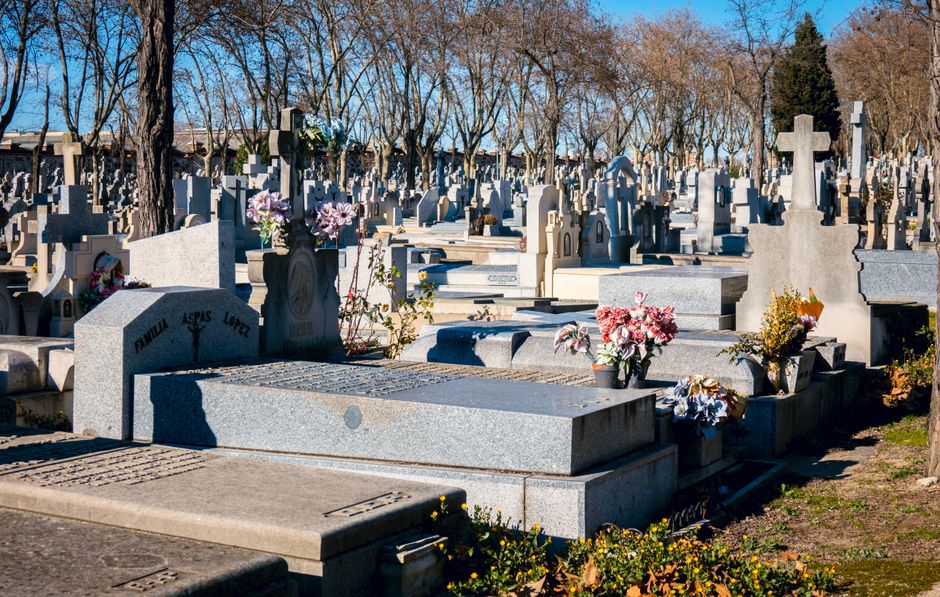
If you are trying to place flowers on a grave in Haringey, the rules can feel oddly specific for something so personal. One minute you are choosing a wreath, the next you are wondering whether a pot, vase, spray, or loose bouquet is allowed. That is exactly why understanding What to know about Haringey Council rules for grave flowers matters. The aim is simple: keep a tribute respectful, safe, and in line with cemetery or burial ground expectations, without causing extra stress at an already emotional time.
This guide walks through the practical side of grave flowers in Haringey: what usually matters, how arrangements are typically handled, what to check before you visit, and how to avoid common mistakes. It is written to help you make calm, sensible decisions - not to bury you in jargon. Because let's face it, nobody wants a floral headache on top of everything else.
Whether you are arranging flowers for a recent funeral, a quiet anniversary visit, or a family memorial that gets looked after over time, a little local know-how goes a long way.
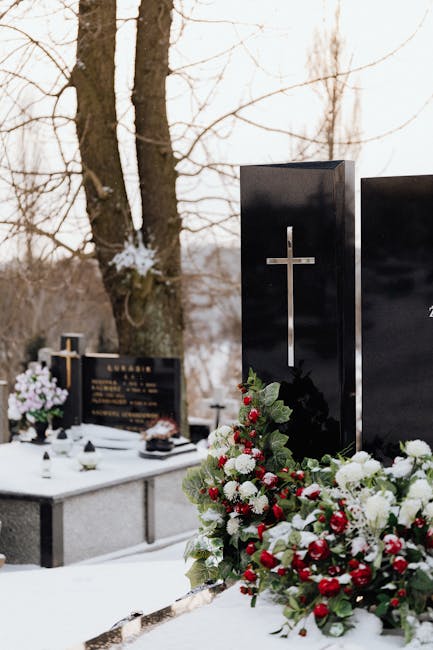
Table of Contents
- Why these rules matter
- How grave flower rules usually work
- Key benefits and practical advantages
- Who this is for and when it makes sense
- Step-by-step guidance
- Expert tips for better results
- Common mistakes to avoid
- Tools, resources and recommendations
- Law, compliance, standards, or best practice
- Options, methods, or comparison table
- Case study or real-world example
- Practical checklist
- Conclusion
- Frequently asked questions
Why What to know about Haringey Council rules for grave flowers Matters
Grave flowers are not just decoration. They are part of how people express love, remembrance, faith, gratitude, and sometimes regret. In a cemetery or burial ground, though, every tribute sits in a shared space. That means one family's thoughtful bouquet can affect pathways, maintenance access, mowing, litter control, and the dignity of nearby graves.
That is the heart of the matter. Council rules exist to balance personal remembrance with practical site management. If flowers are placed carelessly, they can block access for grounds staff, blow across walkways, or wilt into a mess after a few days. On a damp November morning, that can be a bit sad to see, and a bit messy too.
For Haringey families, knowing the local expectations helps avoid conflict and disappointment. It also makes it easier to choose the right style of tribute in advance, especially if you are ordering flowers for a service or arranging something for a grave you visit regularly. You can plan better, spend better, and worry less.
There is another reason this matters: burial places often have different practices depending on the section of the cemetery, the type of grave, and whether the memorial is new or established. So even if a tribute was fine elsewhere, it may not be ideal in Haringey. Is that inconvenient? A little. Is it worth checking? Absolutely.
How What to know about Haringey Council rules for grave flowers Works
The practical reality is usually this: councils and cemetery managers set standards for what can be placed on or around graves, when items may be removed, and how long floral tributes can remain before they are cleared. The details can vary, but the logic stays the same. Keep the site tidy, keep it safe, and keep it respectful for everyone.
In many burial settings, flowers are permitted as a temporary tribute after a burial or memorial visit. Over time, however, faded blooms, broken containers, and overcrowded graves may be removed during maintenance. In some areas, tributes may need to stay within a designated plot area and must not spill over onto neighbouring graves or pathways. That sounds straightforward, but in practice people often add a little extra here and there - a lantern, a ribbon, a card, a second bouquet. Suddenly the grave looks loved, but also crowded.
What you should expect in Haringey is a sensible approach rather than a one-size-fits-all rulebook. The key checks are usually:
- Whether flowers are allowed on the grave itself or only in a specific container or holder
- Whether plastic wrapping, glass, metal, or other containers are permitted
- How long tributes can remain before removal
- Whether certain items are considered a hazard or a maintenance issue
- Whether the cemetery has separate expectations for special memorial areas
If you are not sure, the safest move is to treat the grave as a shared, maintained space, not a private garden patch. That mindset prevents most problems before they start.
What usually makes a floral tribute acceptable?
A tribute is usually more likely to be acceptable if it is neat, stable, and easy to maintain. A simple bouquet in a suitable holder, a low spray, or a wreath that sits securely tends to work well. Loose flowers scattered across a grave can look beautiful for a day, but they do not always hold up in weather, wind, or site maintenance. London weather does its own thing, as you know.
Freshness matters too. A tribute that begins well but turns limp and soggy within a week can quickly become a problem. That is why many people choose flowers with good staying power or use arrangements designed for cemetery settings.
Key Benefits and Practical Advantages
Getting familiar with grave flower rules is not just about avoiding trouble. It makes the whole process easier and more thoughtful. In practical terms, there are some real advantages.
- Less risk of removal: If your tribute fits the site expectations, it is less likely to be taken away during routine maintenance.
- Better presentation: A well-sized arrangement looks more dignified and stays presentable for longer.
- Lower waste: Choosing the right flowers and container helps reduce spoilage and unnecessary spending.
- Less stress for family members: Everyone feels more settled when they know the tribute is appropriate.
- Better long-term upkeep: Simple, manageable floral choices are easier to refresh on visits.
There is also a gentle emotional benefit. When you know the rules, you can focus on the person you are remembering rather than second-guessing yourself. That matters more than people admit.
For families who visit regularly, consistency helps too. If you choose a style that works with local guidance, you can repeat it without having to rethink the arrangement each time. That can be especially useful on anniversaries, birthdays, or holidays when your head is already full.
Who This Is For and When It Makes Sense
This topic is relevant for quite a few people, not just those arranging a funeral. If any of the situations below sound familiar, it is worth paying attention.
- Family members arranging a burial tribute: especially if flowers will be placed at the grave after a service.
- People maintaining an existing grave: where flowers need to be refreshed periodically.
- Friends visiting on anniversaries: when you want to leave something respectful and low-maintenance.
- Funeral directors or florists helping local families: who need to make sure arrangements suit the site.
- People living away from Haringey: who may order flowers remotely and want the tribute to be appropriate on arrival.
It also makes sense if you are the person who usually ends up doing the practical jobs. You know the one - the family member who remembers the dates, buys the cards, and notices when the flowers are looking tired. In our experience, that person is often quietly carrying the whole thing. A little clarity helps.
If the memorial is in a cemetery with regular grounds care, the rules matter even more. A bulky arrangement might seem heartfelt, but if it obstructs maintenance equipment or spills onto the path, it can create friction fast.
Step-by-Step Guidance
If you want to stay on the right side of local expectations, use a simple process. It is not complicated, but it does benefit from a bit of care.
- Check the burial ground's current guidance. Rules can differ by site, and even by section of the cemetery.
- Decide what kind of tribute you want. Bouquet, wreath, spray, vase arrangement, posy, or a simple bunch.
- Measure the available space in your head. A grave that is already full of tributes may need a smaller, tidier option.
- Choose durable flowers. Select blooms that can stand up to changing weather and several days outdoors.
- Use a suitable container or base. Stability matters more than people think. A toppled vase is not a great look.
- Keep wording and extras modest. A card or ribbon is usually enough; too many add-ons can become clutter.
- Place the tribute neatly. Make sure it sits securely and does not block neighbouring graves or paths.
- Return to check it later if needed. Especially after heavy rain, strong wind, or several days have passed.
A simple example helps. Suppose you are arranging flowers for a grandmother's grave in Haringey before a Sunday visit. You choose a compact wreath in white and soft pink, place it neatly at the headstone, and make sure the card is tucked in securely. That tribute is likely to feel calm, respectful, and easy to maintain. Quietly lovely. No fuss.
If you are ordering from a florist, explain that the flowers are for a grave or memorial setting. That one sentence can make a big difference. It helps the florist pick stems, spacing, and packaging that suit outdoor placement rather than a living-room display.
Expert Tips for Better Results
Small choices make a big difference here. If you want a tribute that looks good for longer and causes fewer headaches, these are the kinds of details worth paying attention to.
Choose flowers with structure
Flowers that hold shape tend to behave better outdoors. Roses, chrysanthemums, carnations, lilies, and alstroemeria are often chosen because they can create a neat, balanced arrangement. That does not mean anything else is wrong - just that some flowers look tired much faster in wind or rain.
Keep the colour palette purposeful
White, red, pink, purple, and mixed tones all work well for memorial tributes, but the best choice is usually the one that reflects the person being remembered. A restrained palette often feels calmer on a grave, though bright flowers can be beautiful too. There is no single right answer, which is refreshing for once.
Think low and stable
Low arrangements are often safer and more practical than tall, top-heavy designs. A slightly lower spray is less likely to blow over and less likely to snag during maintenance.
Use flowers that age gracefully
Some flowers still look dignified as they age. Others just collapse on you, which is not ideal. If you want longer-lasting memorial flowers, ask for something designed for sympathy or tribute use rather than a general mixed bouquet.
Allow for the weather
A warm afternoon, a cold snap, or a damp spell can all affect how long flowers look fresh. In the early morning, particularly after a wet night, you may notice petals sagging faster than expected. That is normal. It just means timing matters.
One last tip: if you are unsure whether a tribute is too large, it probably is. A smaller, well-made arrangement usually looks more thoughtful than an oversized one that spills everywhere. Quiet restraint often wins.
Common Mistakes to Avoid
Most problems with grave flowers come from good intentions and a lack of site-specific checking. The tribute is heartfelt, but the details trip people up.
- Using unstable containers: light plastic pots, loose vases, or anything likely to blow over can become a nuisance.
- Leaving tired flowers too long: once stems wilt and water turns cloudy, the arrangement stops looking respectful.
- Overcrowding the grave: too many items can hide the memorial, block access, or make the grave look neglected rather than cared for.
- Ignoring nearby maintenance: if mowing or strimming is likely, low and tidy beats tall and sprawling.
- Assuming one site follows another site's rules: cemetery expectations are not always interchangeable.
- Adding fragile ornaments without checking: glass, metal spikes, and breakable pieces can create safety issues.
Another mistake is choosing flowers for the photo rather than for the grave. A tribute may look stunning in your kitchen, then struggle outdoors by the next afternoon. Harsh? Maybe. True? Also yes.
And do not forget the human side. If several family members visit the same grave, one person may think the flowers should be elaborate while another wants them simple. A quick conversation beforehand can save awkwardness later. Not glamorous, but very useful.
Tools, Resources and Recommendations
You do not need specialist equipment to handle grave flowers well, but a few practical items help a lot.
- Measuring tape or rough dimensions: useful if you want to check how much space the grave actually has.
- Flower pin holder or foam base: can help keep smaller arrangements secure, depending on the tribute style.
- Weather-resistant card or ribbon: keeps messages legible for longer.
- Clean water container: handy if you are refreshing flowers at the grave or at home before travel.
- Garden scissors or floral snips: for trimming stems and removing damaged leaves.
For product choice, it can help to compare sympathy and memorial styles rather than standard mixed bouquets. If you want a calmer, site-appropriate look, many families prefer wreaths, sprays, posies, or basket arrangements. You might also find that specialised remembrance flowers sit better with the tone of the visit than a general celebratory bunch.
If you are looking through a local florist's range, categories such as funeral flowers in Haringey, wreaths, and tributes can be a sensible starting point. For smaller, gentler arrangements, baskets and posies are often worth considering too.
If the tribute needs to arrive on a specific day, timing becomes part of the plan. A reliable local delivery option can be helpful, especially when a family cannot visit in person. In those cases, using a trusted local florist is often the easiest path.
Law, Compliance, Standards, or Best Practice
This is one of those topics where common sense and local rules meet. There may not be a single universal rule for every grave in Haringey, but there are still important standards to respect.
First, burial grounds are managed spaces. That means anything placed there should not create a hazard, block access, or interfere with upkeep. If a tribute breaks, topples, leaks, or spreads, it may be removed as part of routine management. That is standard practice in many cemetery settings, and it is best treated as normal rather than personal.
Second, always check for site-specific expectations. Memorial spaces can have different arrangements for new graves, lawn areas, sections with headstone restrictions, and special memorial gardens. A flower display that works on one plot may not be suitable on another. That is not inconsistency; it is just the reality of managing a shared space.
Third, best practice usually means keeping the tribute tidy, stable, and modest in size. If you are unsure, ask for guidance before placing the flowers. A brief check is much easier than dealing with removal or a family disagreement later.
Finally, treat flowers as temporary unless you know the site allows longer placement. Fresh tributes are lovely. Forgotten, faded tributes are less lovely. Simple as that.
Options, Methods, or Comparison Table
When people ask what to put on a grave, the answer depends on how long you want it to last, how formal you want it to feel, and how much maintenance you are willing to do. Here is a simple comparison.
| Tribute type | Best for | Advantages | Possible drawbacks |
|---|---|---|---|
| Bouquet | Short visits, fresh remembrance | Easy to choose, personal, flexible | Can unravel or wilt quickly outdoors |
| Wreath | Formal memorials, balanced presentation | Neat shape, strong visual impact | May need careful placement to stay secure |
| Spray | Funerals and graveside tributes | Elegant, traditional, often stable | Can be too large for some plots |
| Posy or basket | Smaller graves or regular maintenance | Low profile, manageable, tidy | May need more frequent refreshing |
| Loose flowers | Very simple gestures | Minimal, gentle, personal | Least secure in windy or wet weather |
For many families, a basket or posy works best because it strikes a good balance between beauty and practicality. If the grave is already busy with cards or seasonal items, a smaller design can feel more respectful.
Case Study or Real-World Example
A family we came across wanted to place flowers on a grave in Haringey for a first anniversary visit. They had originally planned a large mixed bouquet with a decorative vase. It looked lovely at home, but the grave was in a lawn section with regular grounds maintenance, and the family also wanted to avoid anything that could topple or spill.
After checking the site expectations and speaking with a florist, they switched to a low white-and-purple spray with a stable base. They added a simple card, no extra ornaments, and placed it neatly at the head of the grave. The result was calmer, easier to maintain, and much better suited to the setting. The family later said it felt more peaceful when they visited again because the grave still looked cared for, not crowded.
That is really the point. The most meaningful tribute is not always the biggest one. Sometimes it is the one that sits quietly, lasts well, and feels right every time you see it.
Practical Checklist
Before you place flowers on a grave in Haringey, run through this quick checklist.
- Have I checked the specific cemetery or burial ground guidance?
- Is the arrangement suitable for an outdoor memorial setting?
- Will it stay secure in wind or rain?
- Is the size appropriate for the grave space?
- Have I avoided fragile, hazardous, or overly bulky items?
- Will the tribute still look respectful after a few days?
- Have I considered maintenance access for grounds staff?
- Does the flower choice suit the person I am remembering?
- Have I told the florist it is for a grave or memorial tribute?
- Do I know when I will need to refresh or replace it?
If you can tick most of those off, you are in good shape. Not perfect, just sensible - which is usually what matters most.
Conclusion
Understanding What to know about Haringey Council rules for grave flowers comes down to three things: respect for the person being remembered, respect for the shared cemetery space, and a little practical planning. When those three line up, the tribute feels calmer and more lasting.
You do not need to overcomplicate it. Choose a stable arrangement, keep it tidy, follow the local expectations, and think about how it will look in a few days, not just this afternoon. That simple approach saves trouble and usually looks more heartfelt too.
If you are still deciding on the right memorial flowers, it helps to look at arrangements designed for sympathy and remembrance rather than standard gift bouquets. A thoughtful choice now can make visits feel easier later, which is no small thing.
Get a free quote today and see how much you can save.
Frequently Asked Questions
Are flowers allowed on graves in Haringey?
In most burial settings, flowers are commonly allowed as a tribute, but the exact expectations can vary by cemetery or section. It is best to check the site guidance before placing anything.
How long can grave flowers stay in place?
That depends on the burial ground's maintenance rules and the condition of the flowers. Fresh tributes may stay for a period, but faded or unsafe items are often removed during routine upkeep.
What type of flowers are best for a grave?
Many people choose roses, lilies, chrysanthemums, carnations, or mixed sympathy flowers because they look neat and tend to hold up reasonably well outdoors.
Can I leave a vase on the grave?
Sometimes yes, sometimes no. Some sites allow containers if they are safe and suitable; others prefer flowers placed in a holder or base. Check the local rules first.
Are artificial flowers allowed?
That varies by site. Some cemeteries accept artificial flowers for limited periods, while others prefer fresh flowers only. It is worth confirming before you buy.
What happens to old or wilted grave flowers?
They are usually removed during routine grounds maintenance if they become untidy, unsafe, or are left too long. That is standard practice in managed burial grounds.
Can I put balloons, candles, or ornaments on a grave too?
Some cemeteries restrict non-floral items because they can become hazards or maintenance problems. If you want to add extras, check whether the site permits them.
What is the most respectful way to arrange flowers on a grave?
Keep the tribute neat, stable, and proportionate to the grave space. A simple, well-made arrangement often feels more respectful than a large display that spills into walkways.
Do I need to tell a florist the flowers are for a grave?
Yes, that helps a lot. A florist can choose a more suitable design, sturdier stems, and a more secure base for outdoor memorial placement.
What if the grave already has flowers on it?
Then a smaller tribute may be the better choice. Overcrowding can make the grave harder to maintain and can look less balanced overall.
Can I order grave flowers for delivery in Haringey?
Yes, many people do exactly that when they cannot visit in person. Just make sure the florist knows it is for a memorial setting and that the arrangement suits the site.
What should I do if I am unsure about the rules?
Keep it simple, avoid anything fragile or bulky, and ask for guidance before placing the flowers. A quick check now is usually far easier than a problem later.
At the end of the day, a grave tribute does not need to shout. It just needs to feel right. And when it does, you will know.